Have you ever sat behind the wheel, looked at a sudden flashing light on your dashboard, and felt a pit in your stomach? You are not alone. For millions of new drivers, a car is a mystery box of metal and wires that feels great when it works—and terrifying when it doesn’t.
That anxiety is real. Ignoring a strange noise or a warning light doesn’t just risk a breakdown on a lonely highway; it can lead to repair bills costing thousands of dollars that could have been avoided with a $10 fix. The gap between “driving a car” and “knowing your car” is where expensive problems hide.
The good news? You don’t need to be a mechanic to drive with confidence. By mastering a few fundamental checks, you can ensure safety, save money, and extend the life of your vehicle. This guide breaks down the essential car knowledge every beginner needs to know—minus the confusing jargon.
The Checklist: Basic Car Knowledge in a Nutshell
If you are in a rush, here are the 5 Pillars of Basic Car Maintenance you must monitor regularly:
- Fluid Levels: Regularly check engine oil, coolant, brake fluid, and windshield washer fluid.
- Tire Health: Monitor tire pressure (PSI) monthly and check tread depth for grip.
- Dashboard Lights: Learn the difference between “Warning” (Red/Stop) and “Caution” (Yellow/Check) lights.
- Battery Condition: Check for corrosion on terminals and listen for slow engine cranking.
- Brake System: Listen for squeaking or grinding noises and feel for vibrations when stopping.
1. Decoding the Dashboard: Your Car’s Language
Think of your dashboard as your car’s way of talking to you. While modern cars have dozens of symbols, they generally follow a traffic light color-coding system.
- Red Lights: Stop immediately! This indicates a severe issue that could destroy your car or compromise safety (e.g., Low Oil Pressure, Overheating).
- Yellow/Orange Lights: Caution. Something needs attention soon, but you can usually finish your drive (e.g., Check Engine, Low Tire Pressure).
- Green/Blue Lights: Systems are active (e.g., Headlights, Cruise Control).
Key Symbols to Memorize:
- Oil Can: Low oil pressure. Action: Stop the engine immediately to prevent seizure.
- Thermometer: Engine overheating. Action: Pull over and let the engine cool. Never open the radiator cap while hot!
- Battery/Box with +/-: Charging system failure. The car is running off the battery alone and will die soon.

2. Under the Hood: The Essential Fluids
You don’t need to know how to take an engine apart, but you must know how to check its “vital signs.” Fluids are the lifeblood of your vehicle.
Engine Oil
Oil lubricates the moving parts of your engine. Without it, metal grinds against metal, destroying the engine in minutes.
- How to Check: Park on level ground. Pull the dipstick (usually a yellow or orange ring), wipe it clean, reinsert it fully, and pull it out again. The oil level should be between the “Min” and “Max” marks.
- What to Look For: Amber color is good. Black, gritty oil needs changing. Milky oil indicates a serious coolant leak.
Coolant (Antifreeze)
This liquid prevents your engine from overheating in summer and freezing in winter.
- Check Location: Look at the translucent plastic reservoir tank. Ensure the liquid is between the fill lines.
- Warning: Never open the radiator cap on a hot engine. The pressurized steam causes severe burns.
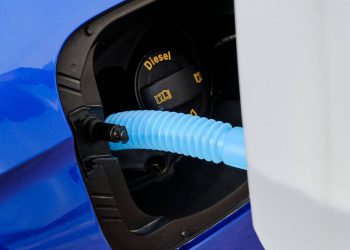
Pro Tip for Diesel Drivers: If you drive a modern diesel vehicle, you likely have an extra tank for Diesel Exhaust Fluid. It is critical to know how and when to top up AdBlue, as running out can actually prevent your engine from starting until it is refilled.

3. Tires: Your Only Contact with the Road
Your entire vehicle relies on four patches of rubber the size of your hand. Keeping them healthy is non-negotiable for safety.
Tire Pressure (PSI)
Incorrect pressure affects gas mileage and handling.
- Where to find the number: Do not use the number on the tire sidewall (that is the maximum). Look for a sticker on the driver’s side door jamb for the recommended PSI (usually 30-35 PSI).
- When to check: Once a month and before long trips. Tires lose pressure naturally over time and with temperature drops.
Tread Depth (The Penny Test)
Bald tires lead to hydroplaning (sliding on water).
- The Test: Take a penny and insert it into the tire tread with Lincoln’s head facing down. If you can see all of Lincoln’s head, the tread is too low, and you need new tires immediately.
4. The Air Filter: Let Your Engine Breathe
Engines need air to burn fuel. A clogged air filter restricts airflow, reducing power and fuel economy (MPG).
- Inspection: Most air filters are in a black plastic box held shut by clips. Open it, lift the filter out, and hold it up to the sun.
- Rule of Thumb: If you can’t see light passing through it, or if it looks gray and packed with dirt, replace it. It’s one of the cheapest and easiest DIY jobs you can do.
5. Brakes: Listen to the Warning Signs
Brakes are a wear-and-tear item. You don’t usually “check” them visually without removing a wheel, but you can audit them by sound and feel.
- Squealing: Usually means the brake pads are getting thin. A small metal tab is designed to scrape the rotor to warn you.
- Grinding: Metal-on-metal. Your pads are gone, and you are damaging the rotors. This is an emergency.
- Vibration: If the steering wheel shakes when you brake, your rotors may be warped.
6. Battery Basics and Electronics
Batteries typically last 3–5 years. Don’t wait for the day your car won’t start to think about it.
- Visual Check: Look for white or blue powdery corrosion around the metal terminals. This can inhibit the electrical connection. Clean it with a wire brush and a mixture of baking soda and water.
- The “Slow Crank”: If your car sounds like it’s struggling to start (“rur… rur… rur… vroom”), your battery is likely on its last legs.
Pro Tip: Managing Electrical Load. If you have upgraded your vehicle with aftermarket electronics—such as powerful subwoofers or a custom audio system from specialists like Bankstown Sound—your car places a higher demand on the battery and alternator. In these cases, it is crucial to check your battery health more frequently to ensure your upgrades don’t leave you stranded.
While we are focusing on the standard 12V battery found in every car, those making the switch to electric vehicles face a different set of power challenges. If you are considering an EV, it is worth researching how much it costs to fully charge an electric car to see if the trade-off fits your budget.

7. Emergency Skills: Two Things You Must Know
Basic car knowledge isn’t just about maintenance; it’s about self-rescue.
How to Jump-Start a Car
- Red on Dead: Connect the Red (+) clamp to the positive terminal of the dead battery.
- Red on Good: Connect the other Red (+) clamp to the positive terminal of the donor car.
- Black on Good: Connect the Black (-) clamp to the negative terminal of the donor car.
- Black on Metal: Connect the final Black (-) clamp to an unpainted metal surface on the dead car’s engine block (grounding).
- Start the donor car, wait a few minutes, then try starting the dead car.
How to Change a Flat Tire
Ensure you know where your jack and spare tire are located before you need them. Remember the order:
- Loosen lug nuts (while the car is on the ground).
- Jack up the car.
- Remove nuts and tire.
- Mount spare and hand-tighten nuts.
- Lower car.
- Fully tighten nuts in a star pattern.
8. Essential Documents & Kit
Keep your glovebox organized. In a stressful situation (accident or police stop), fumbling for papers makes things worse.
- Documents: Registration, Proof of Insurance, Owner’s Manual.
- Emergency Kit: Jumper cables, tire pressure gauge, flashlight, first-aid kit, and duct tape.
9. Visibility: Lights and Wipers
You can’t avoid what you can’t see. Visibility is often overlooked until you are stuck in a downpour at night.
- The “Wall Test”: Once a month, park facing a wall or garage door at night. Turn on your headlights to ensure both bulbs are working and aligned. Check your blinkers and brake lights (ask a friend to stand behind the car or look for the reflection in a storefront window).
- Wiper Blades: If your wipers streak, chatter, or leave gaps, they are dead. Rubber degrades in the sun even if it doesn’t rain. Replacing them is a cheap, 5-minute clip-on job that drastically improves safety.
10. Fuel Habits: Don’t Run on Empty
Many beginners treat the “E” on the fuel gauge as a challenge. This is a bad habit for two reasons:
- The Fuel Pump: In most modern cars, the fuel pump is located inside the gas tank and uses the gasoline itself to stay cool. Constantly driving on “Empty” can cause the pump to overheat and fail—a very expensive repair.
- The “Gas Cap” Trick: If your “Check Engine” light pops on suddenly, check your gas cap first. If it is loose or not clicked tight, the system detects a vapor leak and triggers the alarm. Tighten it, and the light may go off after a few drive cycles.
Conclusion: Confidence is Key
Driving shouldn’t be a source of anxiety. By understanding these basics—how to read your dashboard, check your fluids, and monitor your tires—you shift from being a passive passenger to an active, informed driver.
Remember: You don’t need to fix everything yourself, but you do need to know when something is wrong. This awareness is the difference between a simple maintenance trip and a catastrophic breakdown.
Ready to take the next step? Go out to your car right now, pop the hood, and locate your oil dipstick. It takes 30 seconds, and it’s the first step toward mastering your machine.
FAQ
1. How often should I change my oil?
While the old rule was every 3,000 miles, modern synthetic oils typically last 5,000 to 7,500 miles (or every 6-12 months). Always refer to your car’s specific Owner’s Manual for the most accurate schedule.
2. What does the “Check Engine” light really mean?
This light indicates that the car’s computer has detected a fault in the emissions, fuel, or ignition systems. It could be as simple as a loose gas cap or as complex as a failed catalytic converter. If it is solid, get it checked soon. If it is flashing, stop driving immediately.
3. Can I use water instead of coolant?
Only in a dire emergency. Water boils at a lower temperature and freezes at 32°F (0°C), offering no protection against extreme weather. It also causes rust inside your engine. Always use the proper coolant/antifreeze mix as soon as possible.
4. How do I know the correct tire pressure for my car?
Never use the PSI number printed on the tire sidewall; that is the maximum limit. The correct pressure for your specific vehicle is found on a sticker inside the driver’s side door jamb or in your owner’s manual.
5. What is a VIN, and why do I need it?
VIN stands for Vehicle Identification Number. It is a unique 17-character code that acts as your car’s fingerprint. You need it for insurance, registration, and to check for safety recalls or buy the correct spare parts. You can find it on the dashboard near the windshield or on the driver’s door jamb.