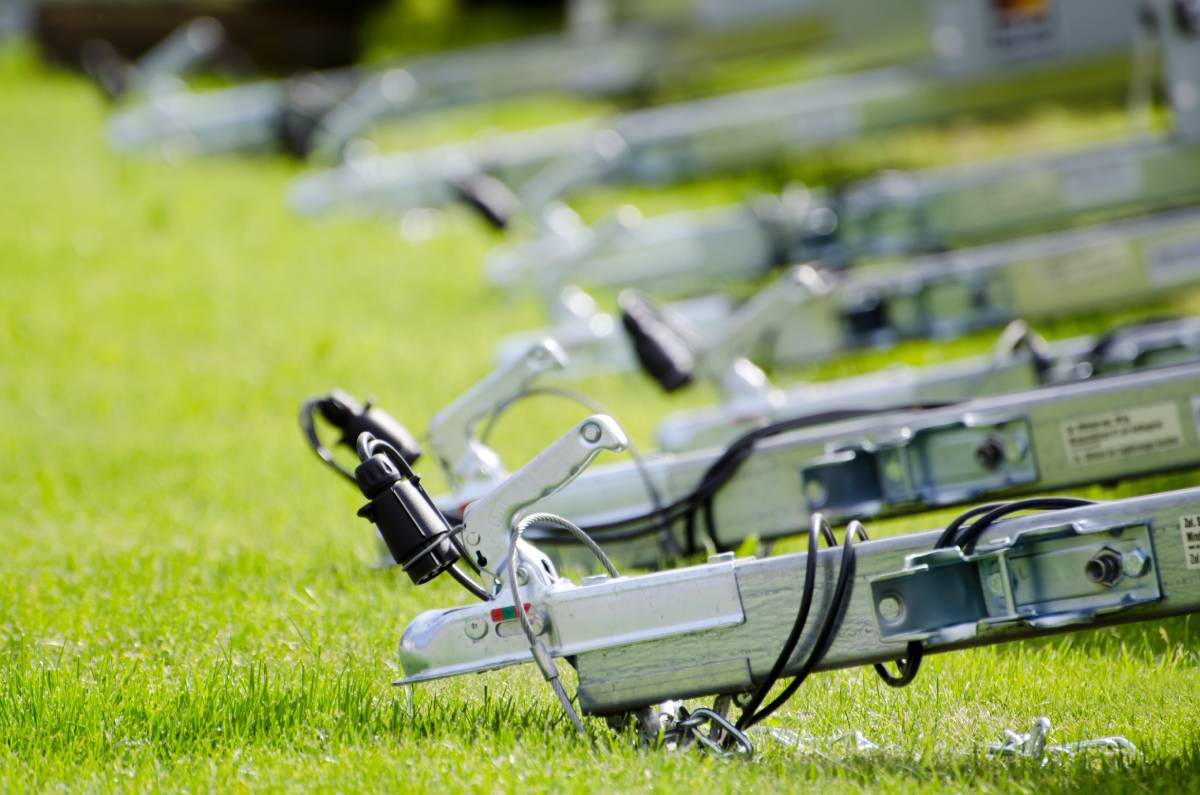
When shopping for a trailer, whether for hauling equipment, transporting livestock, or towing recreational vehicles, one of the biggest decisions buyers face is choosing between steel and aluminium construction. Both materials have strong reputations in the trailer industry, and each offers a unique set of advantages that influence performance, cost, durability, and long-term value. Understanding these differences is essential for selecting the right trailer for specific hauling needs.
This article explores how steel and aluminium compare, and dives into the most common applications of aluminium trailers.
Steel vs Aluminium: What’s the Difference?
1. Weight and Towing Efficiency
One of the most significant differences between steel and aluminium trailers is weight. Aluminium is considerably lighter than steel, typically 30% to 50% lighter depending on design and application.
Why lighter weight matters:
- Reduced fuel consumption
- Easier towing for smaller or less powerful vehicles
- Higher payload capacity (the trailer carries more because the trailer itself weighs less)
- Easier manual maneuvering and hitching
For long-distance hauliers or users who prioritise fuel efficiency and ease of towing, aluminium has a clear advantage.
Steel trailers, although heavier, provide unmatched toughness and rigidity. For some users, this extra weight translates to a more stable feel when hauling extremely heavy or uneven loads.
2. Strength and Durability
Both materials are strong, but in different ways.
Steel:
- Known for its high tensile strength
- Better suited for extremely heavy loads, rugged terrain, and industrial use
- More forgiving under stress and impact
Aluminium:
- Has a strong strength-to-weight ratio but is more flexible
- Highly resistant to rust and corrosion
- Modern alloys significantly improve structural strength
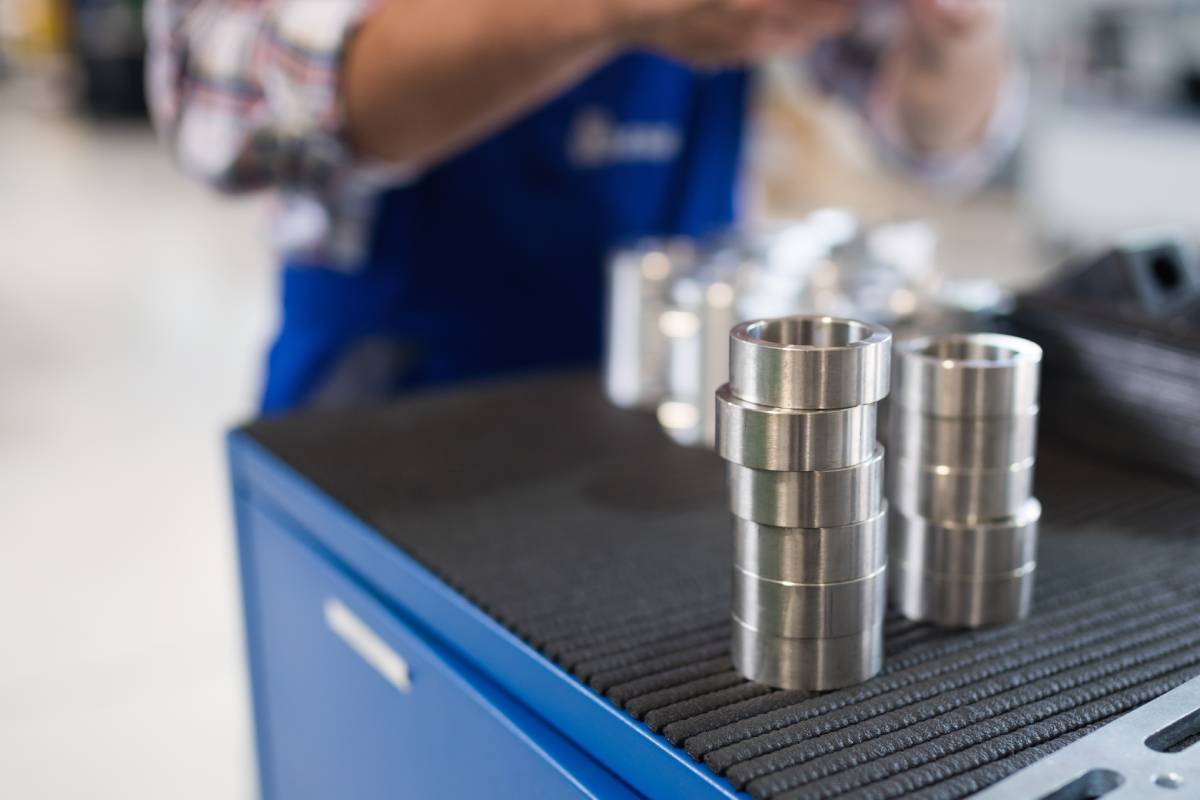
While steel remains the preferred material for extremely heavy-duty environments, aluminium trailers have evolved significantly. Manufacturers like SureWeld Australia design aluminium ramps and components specifically engineered for high-load applications, demonstrating that aluminium can be highly durable when properly manufactured.
3. Corrosion and Maintenance
Corrosion resistance is another area where aluminium shines. Aluminium naturally forms an oxide layer that prevents rust. This makes it ideal for:
- Humid or coastal environments
- Winter conditions with road salt
- Users who prefer low-maintenance equipment
Steel, by contrast, rusts without proper treatment. Modern steel trailers often include:
- Galvanization
- Powder coating
- High-quality paint systems
These protective layers significantly slow corrosion but require periodic inspection and maintenance to prevent rust spots from spreading.
Maintenance comparison:
- Aluminium: Minimal upkeep; occasional cleaning is sufficient.
- Steel: Requires repainting, rust treatment, and regular inspections over time.
4. Cost and Long-Term Value
Steel trailers generally have a lower initial purchase price, making them attractive for buyers on a budget or those who need a heavy-duty solution without a large upfront investment.
Aluminium trailers, however, often provide better long-term value, especially considering:
- Slower depreciation
- Lower maintenance costs
- Higher resale value
- Improved fuel efficiency
For users planning to keep a trailer for many years or resell it later, aluminium may offer the best return on investment.
5. Repair and Structural Behaviour
Both materials can be repaired, but the process differs.
Steel:
- Easier and cheaper to weld and repair
- More repair technicians are available
- Repairs are structurally straightforward
Aluminium:
- Requires specialised welding equipment and skills
- Repairs can be more expensive
- Structural bending can be harder to fix
For users who anticipate high impact or heavy-duty use, steel’s repairability may be more practical.

Is Steel or Aluminium Better Overall?
The answer depends entirely on how the trailer will be used. Here is a simple comparison:
Choose Steel if you need:
- Maximum strength for extremely heavy or rugged loads
- Lower upfront cost
- A trailer for industrial, construction, or farm environments
- Easy and inexpensive repairs
Choose Aluminium if you want:
- Lightweight towing and better fuel efficiency
- Minimal maintenance
- A trailer that resists rust in all weather conditions
- Higher resale value
- A long-term investment with a lower lifetime cost
- Ideal usability for personal, commercial, or recreational hauling
For most general-purpose users, aluminium trailers strike the best balance of weight, durability, and value. But for extremely heavy-duty tasks, steel still holds a strong lead.
Aluminium Trailers Are Used For…
Aluminium trailers have become increasingly popular across various industries because of their lightweight construction, durability, and corrosion resistance. Below are the most common uses.
1. Utility and General-Purpose Trailers
Aluminium utility trailers are widely used for everyday hauling tasks, such as:
- Landscaping equipment
- Garden materials
- Home renovation supplies
- ATVs, motorcycles, and small vehicles
Their lightweight makes them easy for almost any vehicle to tow, and their corrosion-resistant frames ensure long-lasting use.
2. Car Hauliers and Motorsport Trailers
Because every kilogram matters when towing a vehicle, aluminium is a perfect match for:
- Car transporters
- Race car hauliers
- Enclosed motorsport trailers
The lighter trailer weight allows drivers to carry heavier vehicles while staying within legal towing limits.
3. Horse and Livestock Trailers
Aluminium horse trailers are especially popular due to their:
- Smooth, corrosion-resistant surfaces
- Lower trailer weight (less stress on towing vehicle and animals)
- Cooler interior temperatures compared to steel
For livestock transport, aluminium provides a cleaner and more sanitary hauling environment.
4. Boat Trailers
Aluminium’s natural resistance to rust and saltwater makes it ideal for marine environments. Boat trailers made from aluminium are:
- Lightweight for easy launching
- Long-lasting in freshwater and saltwater conditions
- Less likely to corrode from constant moisture exposure
5. Enclosed Cargo Trailers
Businesses often prefer aluminium enclosed trailers for:
- Mobile workshops
- Vending or concession units
- Contractor tool storage
- Moving and delivery services
The lighter weight makes daily towing more fuel-efficient, and the clean appearance gives businesses a professional look.
6. Recreational Use: Camping and Toy Hauliers
Aluminium trailers are commonly used for:
- Snowmobile transport
- ATV and UTV hauliers
- Small travel trailers and campers
For adventurers, the reduced weight is beneficial on long trips and helps maintain stable towing on highways and mountain roads.
Conclusion
Choosing between steel and aluminium for a trailer ultimately depends on your priorities. Steel offers maximum strength and lower initial cost, making it practical for extreme heavy-duty use. Aluminium, however, delivers superior rust resistance, lighter weight, easier towing, and long-term value, making it the preferred choice for most personal, commercial, and recreational applications.
From utility hauling to livestock transport, motorsport activities, boating, and camping, aluminium trailers are versatile, durable, and efficient, explaining why their popularity continues to grow.
If you’re looking for a long-lasting, low-maintenance trailer with strong resale value, aluminium is likely the better choice. If rugged strength at a lower initial price is your priority, steel may be the way to go. Ultimately, the “better” material comes down to your specific hauling needs, environment, and budget.