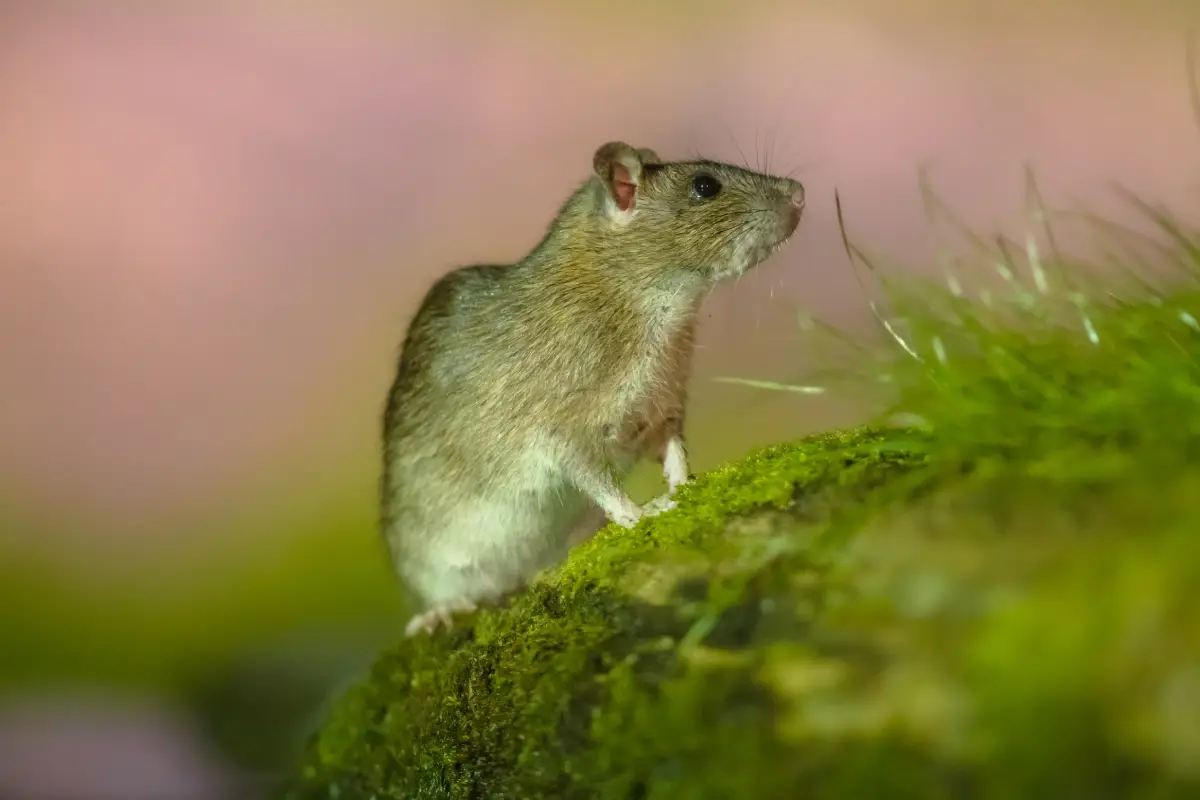
A rodent is any mammal in the scientific order Rodentia, and the single trait that unites every one of them is a pair of ever-growing front teeth. Most people picture a mouse or rat, but the group runs from the 5-gram pygmy jerboa to the 50-kilogram capybara.
The confusion is worth clearing up because the word gets thrown at animals that aren’t rodents at all.
This article gives you the one-line definition, settles the mouse question, and shows you exactly where the category starts and stops.
The Short Answer
A rodent is a mammal belonging to the order Rodentia. Yes, a mouse is a rodent. So are rats, squirrels, beavers, hamsters, and guinea pigs.
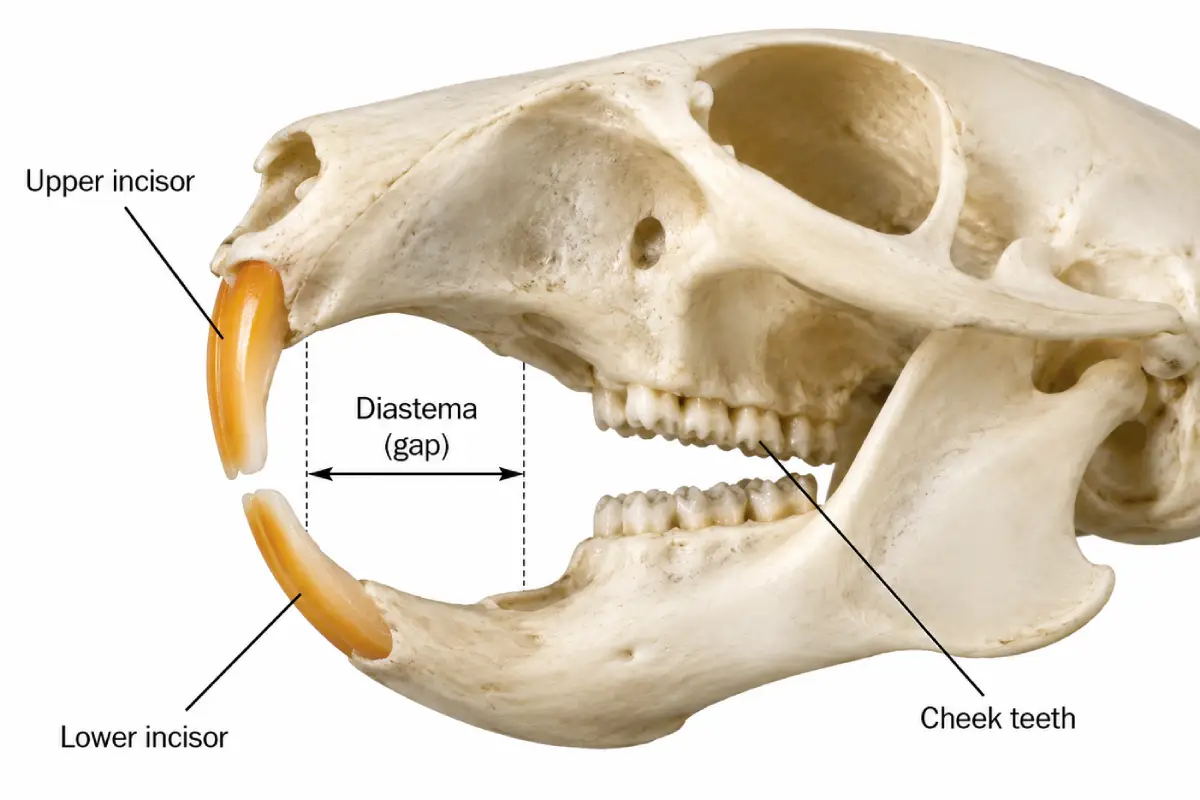
The defining feature is teeth, not size or shape. Every rodent has one pair of upper and one pair of lower incisors that never stop growing.
That tooth design forces the constant gnawing that the whole group is named for. “Rodent” comes from the Latin rodere, meaning “to gnaw.”
What Makes an Animal a Rodent
Membership in Rodentia comes down to dentition. Rodents have exactly four continuously growing incisors and a gap, called a diastema, where canine teeth would sit.
Those incisors carry hard enamel on the front and softer dentine behind. The back wears faster, so gnawing keeps a permanently sharp, chisel-shaped edge.
This is also the biggest group of mammals on Earth. Over 40% of all mammal species belong to the order Rodentia, according to a review in the journal Current Biology.
Rodents live on every continent except Antarctica and in nearly every land habitat. Their small size, fast breeding, and broad diet explain their reach.
That same adaptability is why a few species turn up indoors as pests. Of every rodent, rats and mice move inside most often, and the deterrents that rats dislike most decide whether they stay.
When an infestation takes hold, local specialists such as Rodent Pest Control Brisbane.com handle identification and removal.
Is a Mouse a Rodent?
Yes. A mouse is a textbook rodent, sitting in the family Muridae alongside rats and gerbils.
Mice tick every box: the gnawing incisors, the diastema, the seed-and-plant diet. They are the animal most people name first when they hear the word.
So the relationship runs in one direction only. Every mouse is a rodent, but not every rodent is a mouse, because the order also holds squirrels, beavers, and porcupines.
Common Rodents You Already Know
Many familiar animals fall inside Rodentia even when they look nothing like a mouse. Size and habitat vary wildly across the group.
Pets and backyard regulars include hamsters, gerbils, guinea pigs, chipmunks, and squirrels. Each one carries the same four-incisor signature.
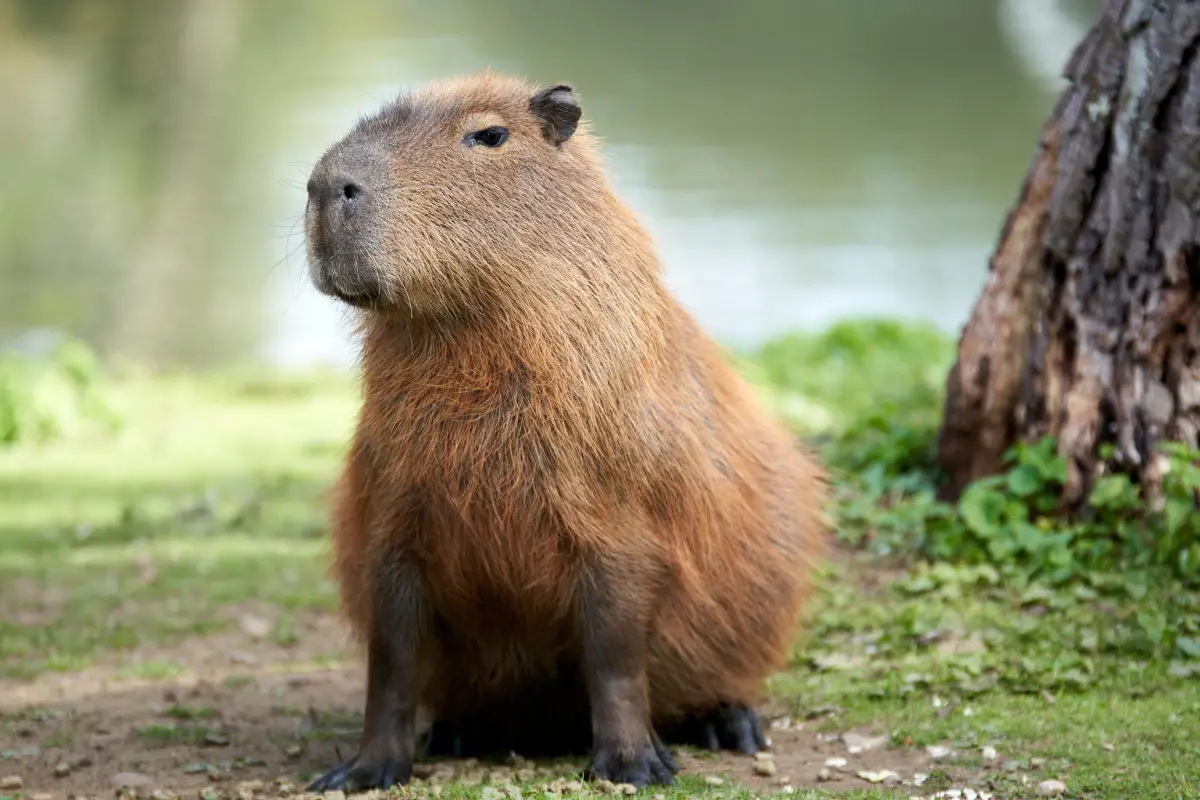
The capybara of South America is the largest living rodent, reaching the size of a large dog. The beaver, North America’s biggest rodent, uses its gnawing teeth to fell trees and build dams.
Animals People Wrongly Call Rodents
Several animals get filed under “rodent” by mistake. Knowing the exceptions is how you actually master the category.
Rabbits and hares are the most common errors. They sit in a separate order, Lagomorpha, and have a second small pair of incisors behind the front ones.
Shrews, moles, and hedgehogs are not rodents either. They belong to Eulipotyphla and eat mainly insects rather than gnawing on plant matter.
Bats, despite the old “flying rat” insult, form their own order, Chiroptera. Possums and other marsupials raise young in pouches and sit outside the Rodentia entirely.
Rodent or Not? Quick Comparison
| Animal | Rodent? | Order | Why |
| Mouse | Yes | Rodentia | Gnawing incisors, diastema |
| Rat | Yes | Rodentia | Same dental structure as mice |
| Squirrel | Yes | Rodentia | Ever-growing incisors |
| Beaver | Yes | Rodentia | The largest rodent in North America |
| Capybara | Yes | Rodentia | Largest living rodent |
| Rabbit | No | Lagomorpha | Extra second pair of incisors |
| Shrew | No | Eulipotyphla | Insect-eater, not a gnawer |
| Bat | No | Chiroptera | Flying mammal, separate order |
Conclusion
A rodent is any mammal in the order Rodentia, defined by four continuously growing incisors, and a mouse is one of its most familiar members. Squirrels, beavers, and capybaras qualify, while rabbits, shrews, and bats do not. The teeth, not the size or the nickname, decide what counts.